01
How Long Do Dental Implants Last?
How long dental implants last depends in part on which component you mean. The implant body and the crown, bridge or denture it supports have different care needs. Understand those parts, the factors affecting them and the follow-up needed before relying on a lifespan estimate.
Planning an implant trip? The free guide is written for veneers, but its clinic checklist and trip planning help with any dental trip abroad.


There is no single lifespan for every component
There is no single reliable lifespan for every dental implant. The implant body, connecting components and visible crown, bridge or denture can have different maintenance needs. Health, healing, smoking, cleaning and ongoing care affect the discussion. Ask which part a longevity estimate describes and arrange professional assessment of pain, looseness or another concerning change.
Separate the implant from the replacement tooth
The U.S. Food and Drug Administration explains that an implant system can include an implant body, an abutment, and an abutment screw. The system supports artificial teeth such as crowns, bridges, or dentures.
A lifespan claim needs to identify whether it concerns the implant body, a connector or the visible teeth. These parts perform different jobs, and their maintenance needs differ. Your dentist should explain the care required for each.
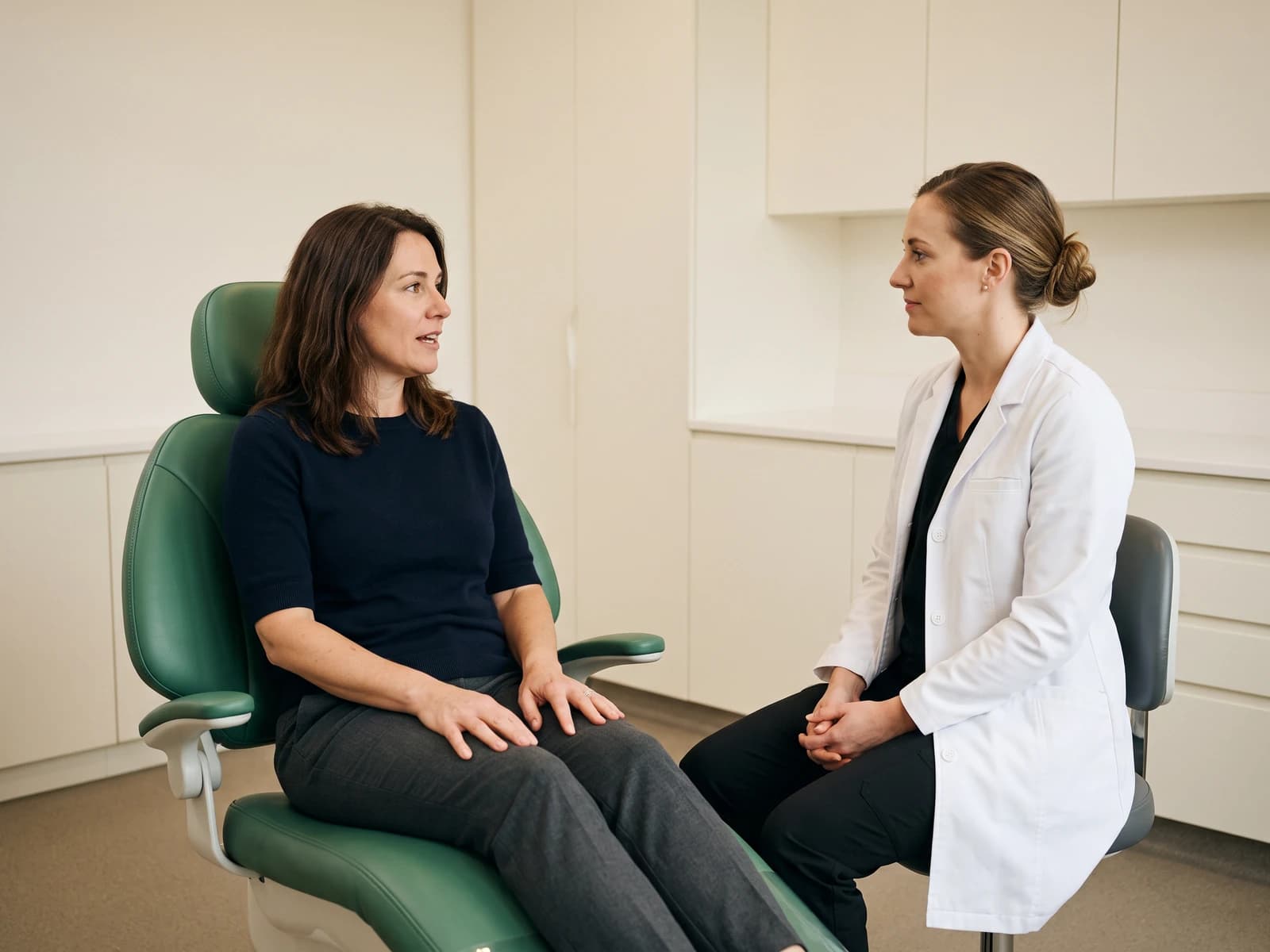
Identify the restoration behind the term fake tooth
A fake tooth may mean a crown, a bridge tooth or teeth within a denture. It does not name the implant body beneath the restoration. Use the exact restoration and material names to discuss its attachment method, then clarify maintenance and repair responsibilities.
Three areas that shape the longevity discussion
02
The teeth and their support
The restoration and bite need to be considered alongside the implant body and connectors. Your dentist should explain how the design affects care and which parts may need attention in the future.03
Daily and professional care
Cleaning instructions should match your restoration, with professional maintenance arranged for the individual plan. Know whom to contact promptly about pain, looseness or another concerning change.Factors that can affect longevity
The discussion should account for:
- Healing and overall health.
- Smoking or tobacco exposure.
- Plaque control and access for cleaning.
- Gum and bone health around the implant.
- Bite forces and grinding in relation to restoration design.
- Implant and component identification.
- Regular dental assessment and professional maintenance.
- Prompt evaluation of pain, looseness, or another change.
The FDA notes that overall health can affect healing and how long an implant may remain in place. It also advises patients to follow the treating provider's hygiene instructions, attend regular visits, and report looseness or pain promptly.
Separate recovery, implant-body healing and final teeth
Early recovery concerns the procedure and its aftercare instructions. Implant-body healing within the jaw is another stage. Delivery of the final teeth depends on the treatment plan and ongoing findings, rather than either timeline alone.
The FDA says healing of the implant body may take several months or longer. The American Dental Association explains that temporary teeth may be used while replacement teeth are being made, depending on the individual plan.
Have the treatment sequence identify:
- Early post-procedure instructions.
- Changes in eating and activity.
- Implant-body healing.
- Temporary teeth.
- The decision point for final teeth.
- Later maintenance.
Treatment timeline
The sequence can include examination and imaging, placement, healing and any temporary teeth before the final restoration. The FDA says implant-body healing may take several months or longer. Each stage needs a purpose and a review point; dates that depend on later findings should remain provisional.
Recovery versus implant-body healing
Early recovery instructions cover symptoms and activity after the procedure. They do not establish that implant-body healing is complete. The FDA says that healing may take several months or longer. Follow your provider's instructions and report pain, looseness or another concern promptly.
The dental implant procedure guide explains the stages and questions to bring to the treating team.
Let the treating team guide changes in eating
Follow the treating provider's instructions for the exact procedure and restoration. The appropriate progression can depend on the surgical area, temporary teeth, healing findings, and whether other care occurred at the same time.
A calendar date cannot tell you whether it is appropriate to change food texture or chewing. Follow the provider's assessment and instructions. Contact the team about pain, swelling, looseness or another concern rather than using a general timeline to decide.

Understand a planned stage without the final crown
An implant may be in a planned healing stage before the final restoration is attached. The correct interval and any temporary restoration depend on the written clinical plan and ongoing findings.
Your plan should identify any temporary restoration and the visits that remain. Keep the system and procedure records, with instructions for protecting and cleaning the area and the changes that need earlier assessment.
Questions for continuing care
- Which implant system and restoration do my records identify?
- How should each part be cleaned and checked?
- Which symptoms should prompt an earlier assessment?
- Who assesses a component that needs repair or replacement?
- What records would another dental professional need?
Continue your research
This page is for education only and does not replace an individual dental examination. Read the Terms and Medical Disclaimer.
Plan the trip with the free guide
The Colombia Smile Studio guide is written for veneers, but two parts carry over to an implant trip. Its clinic checklist covers who treats you, how appointments run and what happens if the fit or bite needs adjusting. Its travel pages help you plan the trip itself.
Patient questions
Frequently asked questions
How long do dental implants last?
There is no universal lifespan for an implant body or the teeth it supports. Health, healing, smoking and the condition of surrounding tissues matter alongside cleaning, bite forces and restoration design. Maintenance and prompt assessment of pain or looseness also belong in the discussion. Identify the component before comparing longevity claims.
How long does it take for dental implants to heal?
The FDA says healing of the implant body may take several months or longer. The individual sequence depends on health, the procedure, the site, related care, and ongoing findings. Ask the treating provider to separate early recovery, implant-body healing, temporary teeth, and the decision point for final teeth.
How long after dental implants can I eat normally?
Follow the treating provider's instructions for the exact procedure and restoration. Food texture and chewing may change in stages based on the surgical area, temporary teeth, healing findings, and any related care. Ask what signs the provider will review before changing those instructions.
How long for an implant to heal before a crown?
There is no single interval for every case. The treating provider must assess healing and the individual plan before attaching the final crown. Ask what findings will be reviewed, whether temporary teeth are planned, and which later visits remain.
How long can you have an implant without a crown?
An implant may remain in a planned healing stage before the final restoration is attached. The appropriate interval and any temporary restoration depend on the written plan and ongoing findings. Confirm how to protect and clean the area and what should prompt an earlier assessment.
How long does a fake tooth last?
The term may describe a crown, a bridge tooth or teeth in a denture. Each restoration is different from the implant body and needs its own maintenance instructions. Identify the material and attachment method, then discuss who assesses wear or damage and handles any repair.