01
Professional and facility
Identify who will provide care and where it will take place. Verify registration and relevant training, and ask the facility to explain its infection-control process.
Dental tourism has no country-wide safety answer. Evaluate the individual dentist, facility, treatment, infection controls, records and follow-up plan. A destination, review count or online quote cannot establish personal suitability or replace an individual examination and written treatment plan.
Compare the questions before you choose a clinic or plan a trip.
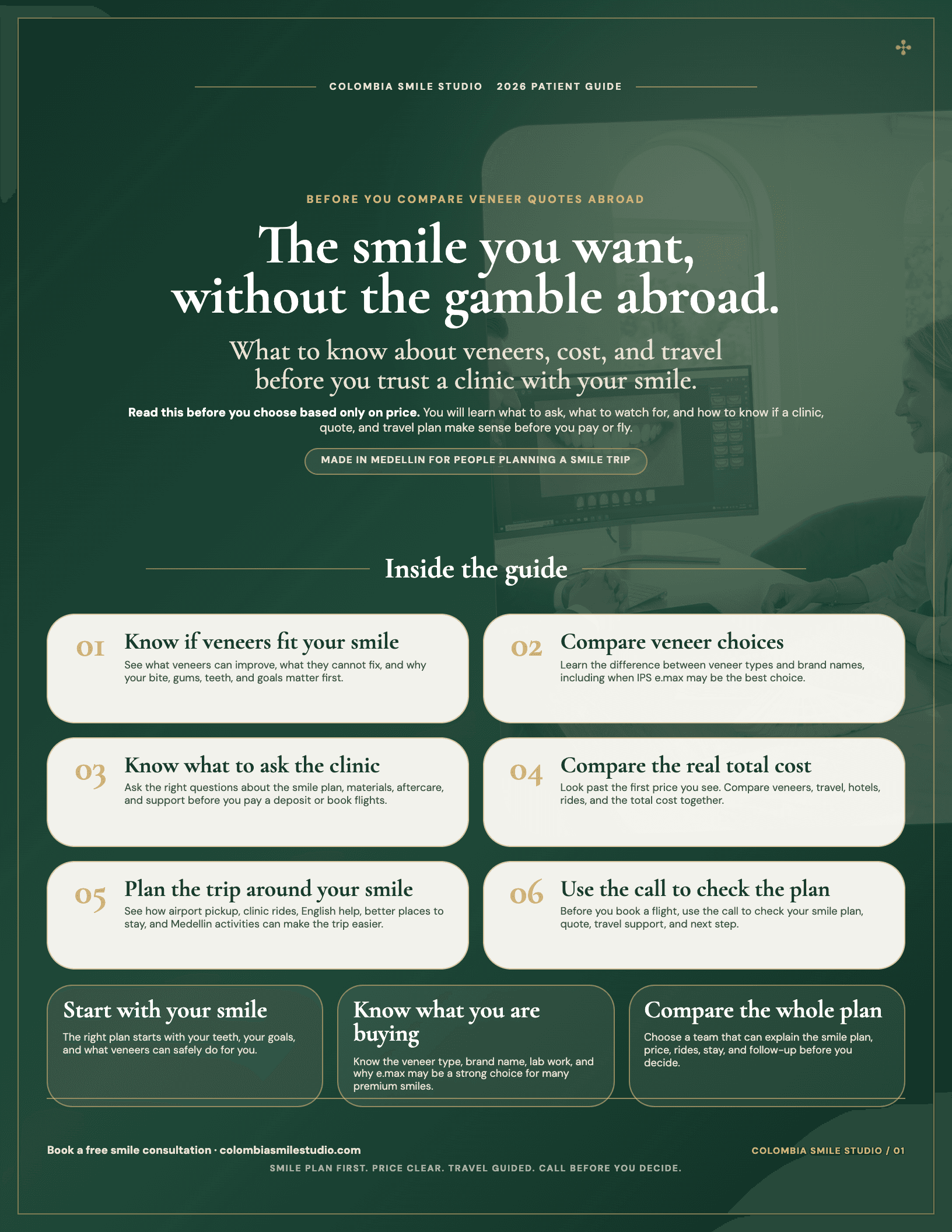
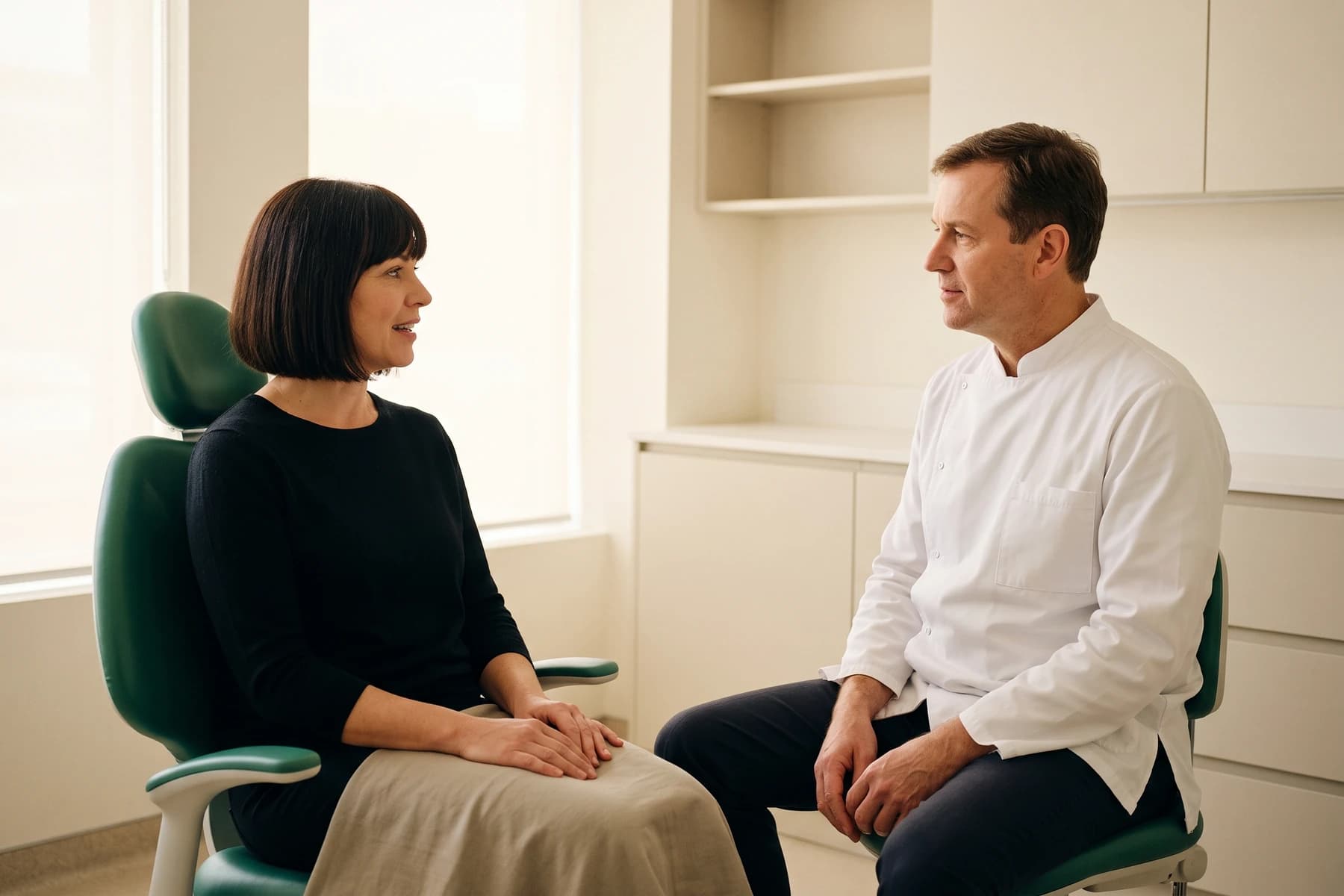
Dental tourism cannot be judged safe from a destination or clinic label alone. Evaluate the treating professional, facility, proposed treatment, infection controls and individual examination findings. Before travel, confirm which records you will receive, who handles follow-up, and how unexpected problems or return travel would be managed. These checks support evaluation; they do not guarantee an outcome.
A country name alone does not establish the quality or safety of any individual treatment plan. What decides that is the treatment itself: the restoration and material class (composite resin vs porcelain; Emax vs unbranded ceramic), the lab and where it is, the treating dentist's credentials, the aftercare and adjustment path once you are home, and the written warranty or remake policy. Weigh those against the quote, not headline price alone.
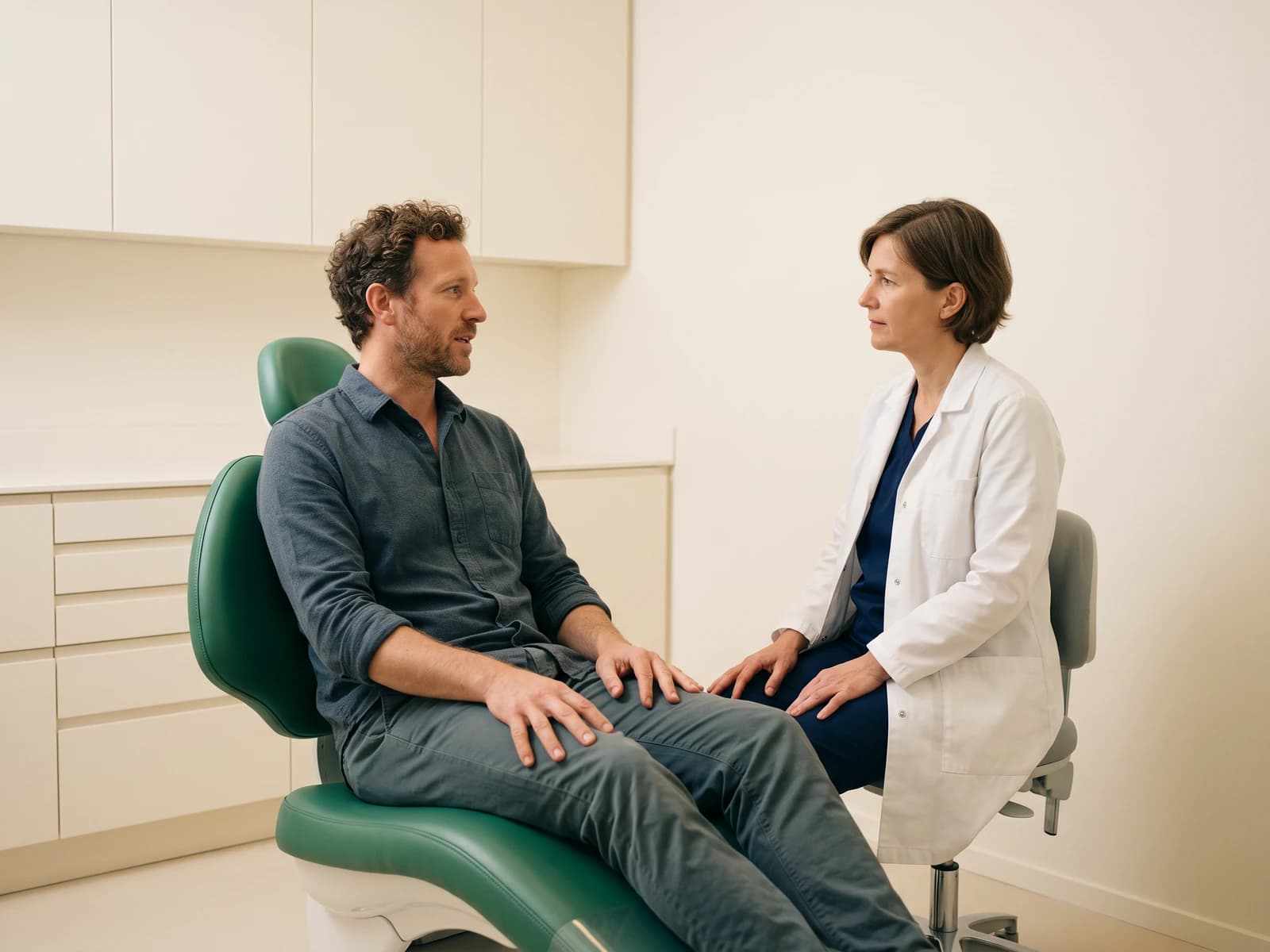
Apply this standard to every destination. The goal is to identify the people, process, facility, treatment, records and responsibilities in the plan in front of you.
Identify who will provide care and where it will take place. Verify registration and relevant training, and ask the facility to explain its infection-control process.
Ask what the examination and records must establish, which treatment and material are proposed, what alternatives exist and which stages remain provisional.
Confirm the records you will receive, the contact path after returning home, emergency arrangements, and the written responsibilities for further care or return travel.
Use the safety and clinic standards checklist for the detailed verification path.
Pause when a clinic cannot identify the treating dentist, proposes the same plan for every patient, guarantees a result, promises no preparation before examination, pressures you to pay before clinical review, leaves the material or laboratory unnamed, cannot explain infection control, or has no written follow-up path.
A polished website or large review count may help you find questions. It does not verify the individual diagnosis, treatment, provider, or facility.
Implant complications are one example of why treatment-specific evidence and a follow-up plan matter. The following answers address that example; they do not rate a country or establish an individual outcome.
Oral cancer has been reported around dental implants, but a systematic review found no direct link showing that implants caused the cancer. That does not prove zero risk or explain an individual lesion. Persistent swelling, ulceration, inflammation, pain, or a change around an implant needs prompt professional assessment and appropriate differential diagnosis.
Read the systematic review of oral cancer around dental implants.
The question "has anyone died from dental implants" needs the context of the reported complication.
Yes. Rare fatal complications after dental implant surgery have been reported, including a published case involving venous air embolism from a specific equipment error. That case report does not establish a global rate or predict an individual's risk. Ask the treating professional about technique, health assessment, emergency planning, procedure-specific risks, and follow-up.
Read the published report, Fatal sequel to dental implant surgery.
The next step depends on what failed, when it occurred, symptoms, bone and gum condition, the implant system, restoration, and the patient's health. A clinician may discuss monitoring, treatment of a complication, removal, grafting, replacement, another restoration, or no immediate replacement after an examination.
The FDA implant guide explains implant benefits, complications, records and the need to report pain or looseness promptly.
Ask for relevant images, the final treatment plan, material or device information, care instructions, and a direct contact path. Confirm what the treating clinic expects from you, what a dentist at home may need, and when return travel could be required.
Colombia Smile Studio can coordinate aftercare with a patient's dentist at home. Coverage, payment, repair, remake, warranty, and return-travel terms still need to be confirmed for the individual plan.
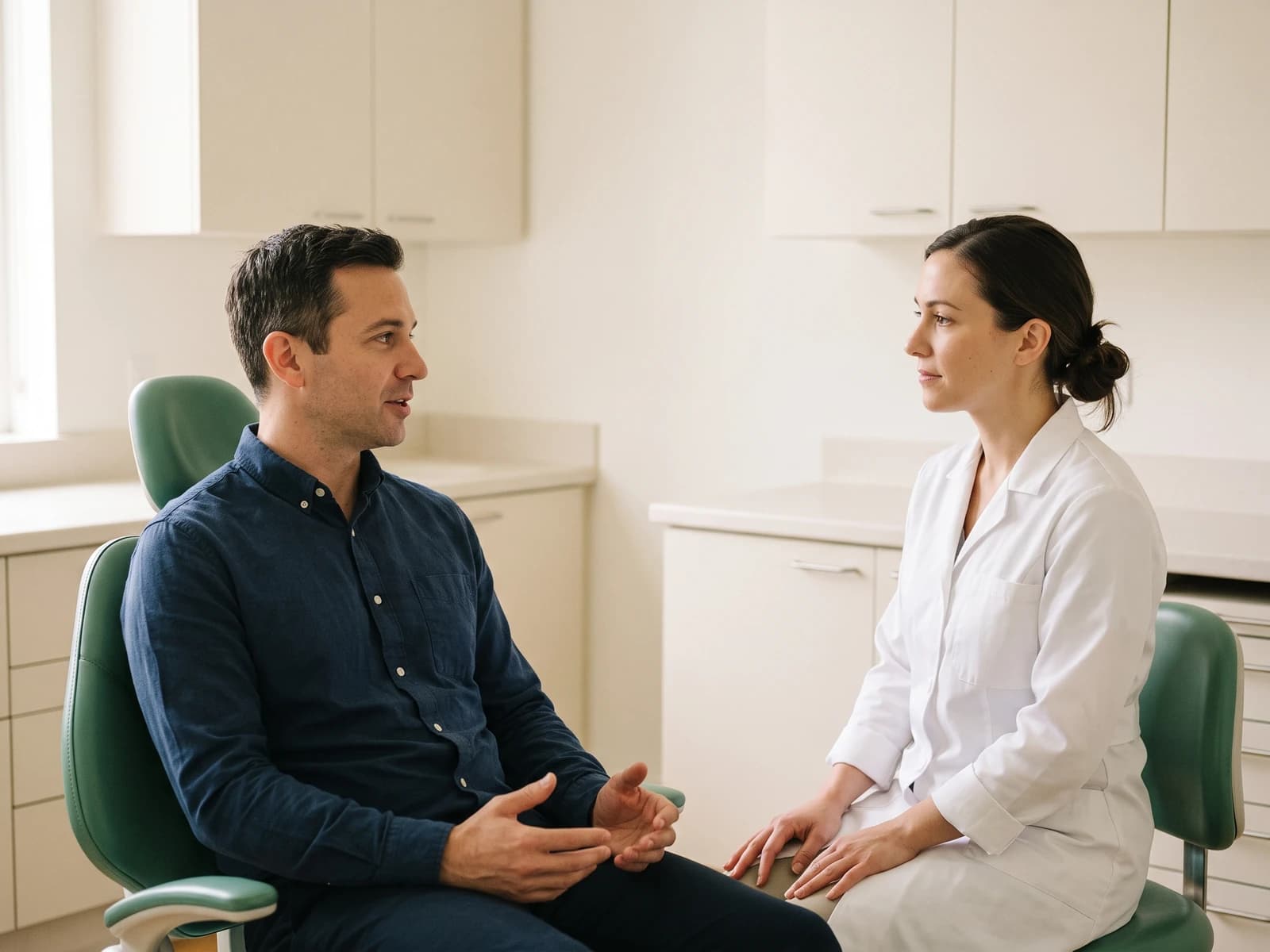
The CDC medical-tourism guidance advises travelers to research the facility and professional, plan follow-up, and obtain records. It does not provide a verdict on an individual country or clinic.
An online review may support preliminary planning, but final candidacy and treatment decisions require an individual examination and any diagnostics the treating dentist considers necessary.
This page is for education only and does not replace an individual dental examination. Read the Terms and Medical Disclaimer.
Keep the clinic, treatment, records, travel and aftercare questions together while you research.
Dental tourism does not have one country-wide safety answer. Evaluate the individual treating professional, facility, treatment, infection controls, records and written follow-up plan. A destination reputation or online quote cannot replace an individual examination. Verify who provides care, what the plan requires, which records you will receive and how concerns will be handled after you return home.
Dental implants are medical devices placed surgically in the jaw and have benefits and risks. Safety for an individual cannot be established by a country, clinic, or device label alone. A qualified professional must assess health, oral conditions, imaging, treatment, device records, infection controls, timing, and follow-up.
Implant problems can involve planning, health factors, bone or gum conditions, infection, healing, device or restoration issues, bite forces, habits, trauma, maintenance, or follow-up. A clinician must examine the patient and records to identify the reason in an individual case.
A webpage cannot confirm implant failure. New or worsening pain, swelling, drainage, movement, bite change, bleeding, or other concerning symptoms warrant prompt professional assessment. Seek urgent local care for severe symptoms or a medical emergency, and bring the implant, procedure, imaging, and medication records when available.
Responsibility cannot be assigned from the word failure alone. Diagnosis, planning, patient factors, surgery, device, restoration, healing, maintenance, records, informed consent, and follow-up may all need review. Get the clinic's repair, remake, payment, and return-travel terms in writing, and seek independent professional advice for a dispute.
Get the free Veneers Abroad Guide and see the full picture: real costs, clinic-standard questions, and what to ask before you ever book a flight.