Can You Whiten Veneers? Stains and Color Changes
Whitening products do not lighten veneers like natural teeth. If your smile looks darker, a dentist needs to identify whether the change is on a veneer, at its edge or in the teeth beside it.
Use the free guide to prepare your treatment questions.


Quick Answer
A surface stain is different from the veneer’s original shade. The dentist should identify the cause before discussing cleaning, polishing or other treatment. Whitening nearby natural teeth may also change the match with existing veneers. Discoloration alone does not mean every veneer needs replacement.
Identify where the color changed
Look at which area concerns you, then describe it to the dentist. A change may involve the veneer surface, its edge or adjacent natural teeth. Those locations need different assessment; a whitening product cannot tell you what caused the change.

Mention when you first noticed it and any symptoms. The choosing a veneer shade guide covers the initial design decision. This page addresses color changes after placement.
A surface stain is different from the chosen shade
Removing a stain does not change the underlying shade chosen for a veneer. Ask what the proposed cleaning or polishing can address before expecting a lighter restoration.
Ceramic and composite surfaces do not behave identically. The dentist needs to consider the material and its condition when deciding whether polishing, repair or another approach is appropriate.
Consider untreated teeth alongside existing veneers
If you want to whiten natural teeth, discuss the overall match first. Those teeth may lighten while the veneers retain their shade.
Tell the dentist which products you have already used and whether you have sensitivity. Do not repeat or strengthen treatment because a veneer has not changed. Read the dental veneers overview for restoration basics and composite veneer material for the resin discussion.
When to discuss repair or replacement
Ask which part of the restoration needs attention and why. A localized stain and dissatisfaction with the original shade are different concerns; neither establishes that all veneers must be replaced.
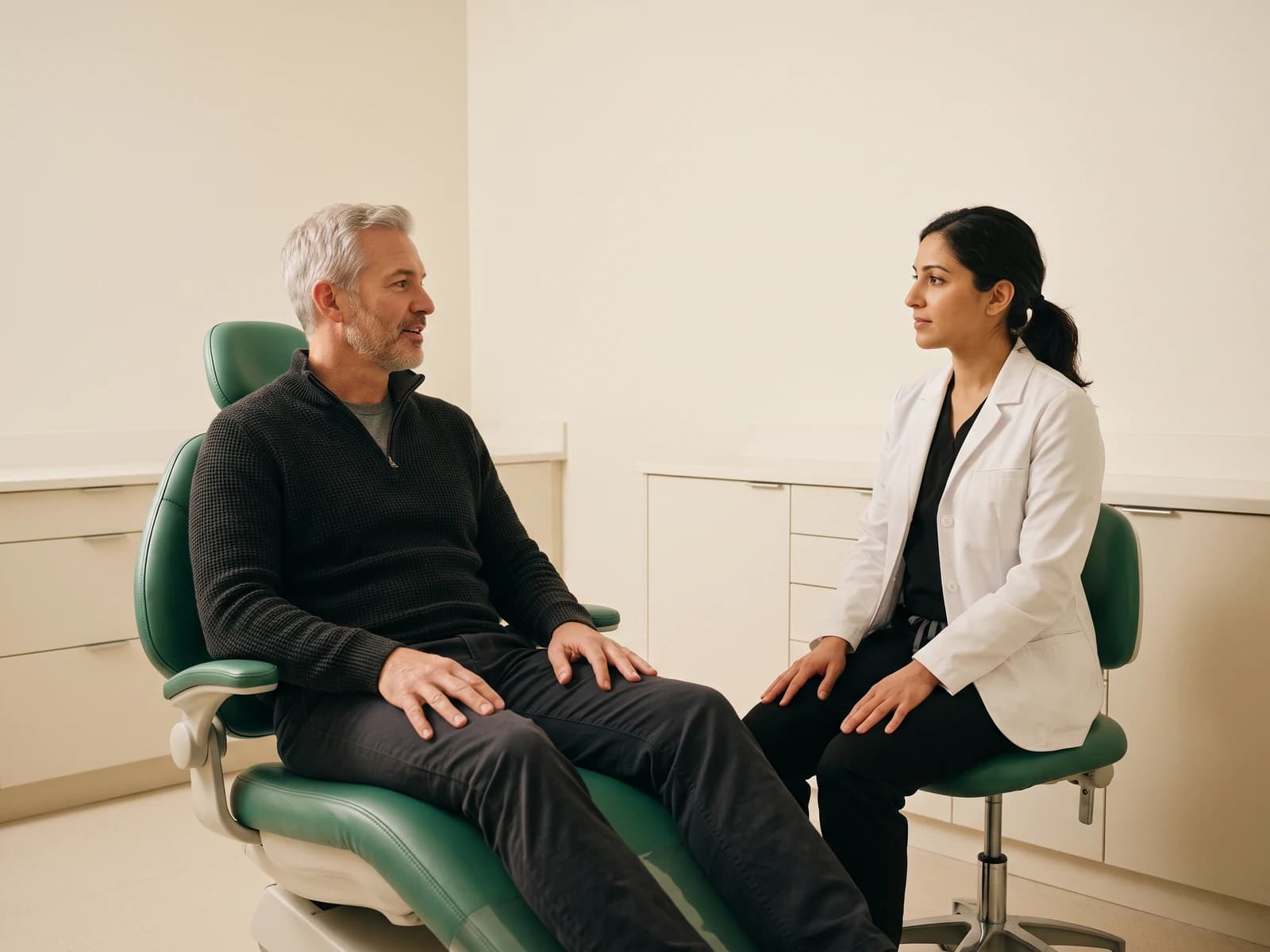
Report pain, sensitivity or a change at an edge along with the color concern. Bring prior treatment and shade records if available. The veneer cost factors page covers the separate budget question.
This page is for education only and does not replace an individual dental examination. Read the Terms and Medical Disclaimer.
Prepare your veneer care questions
Get the free guide to organize questions about treatment and aftercare when planning veneers abroad.
Frequently asked questions
Will tooth whitening products change the color of existing veneers?
They do not lighten a veneer’s chosen shade as they can lighten natural teeth. Ask a dentist whether the concern is surface staining, the restoration itself or adjacent teeth before selecting treatment.
Can veneers develop surface stains?
Yes. Surface staining can occur, with differences between ceramic and composite. A dentist needs to identify the change and assess the material before discussing cleaning or polishing.
Can whitening natural teeth change how veneers look beside them?
Yes. Natural teeth may lighten while veneers retain their shade, changing how they look beside one another. Discuss the expected match before whitening untreated teeth.
What might cause a veneer to look darker or different in color?
Surface stain, a change at an edge or nearby teeth may affect the appearance. Report when you noticed it and any symptoms. A dentist must assess the cause rather than diagnose it from a photo.
What professional options can be discussed for discolored veneers?
After assessment, the dentist may discuss cleaning or polishing, treatment of natural teeth, or repair or replacement. Ask what the proposed option can change and why it fits the cause.