01
Daily habits
Follow the treating dentist's cleaning and eating instructions. Keep brushing and interdental cleaning part of the routine, and avoid using teeth as tools. Ask about technique or products if a new restoration changes how you clean.
After veneer treatment abroad, plan daily care, treatment records and follow-up at home. If a veneer chips, breaks, comes loose or your bite does not feel right, contact a local licensed dentist promptly and tell the treating clinic.Colombia Smile Studio can coordinate aftercare with a patient's dentist at home. That capability does not establish coverage, payment, adjustments, repairs, remakes, warranties or return-travel terms. Confirm those details in the individual written plan.
Compare the questions before you choose a clinic or plan a trip.
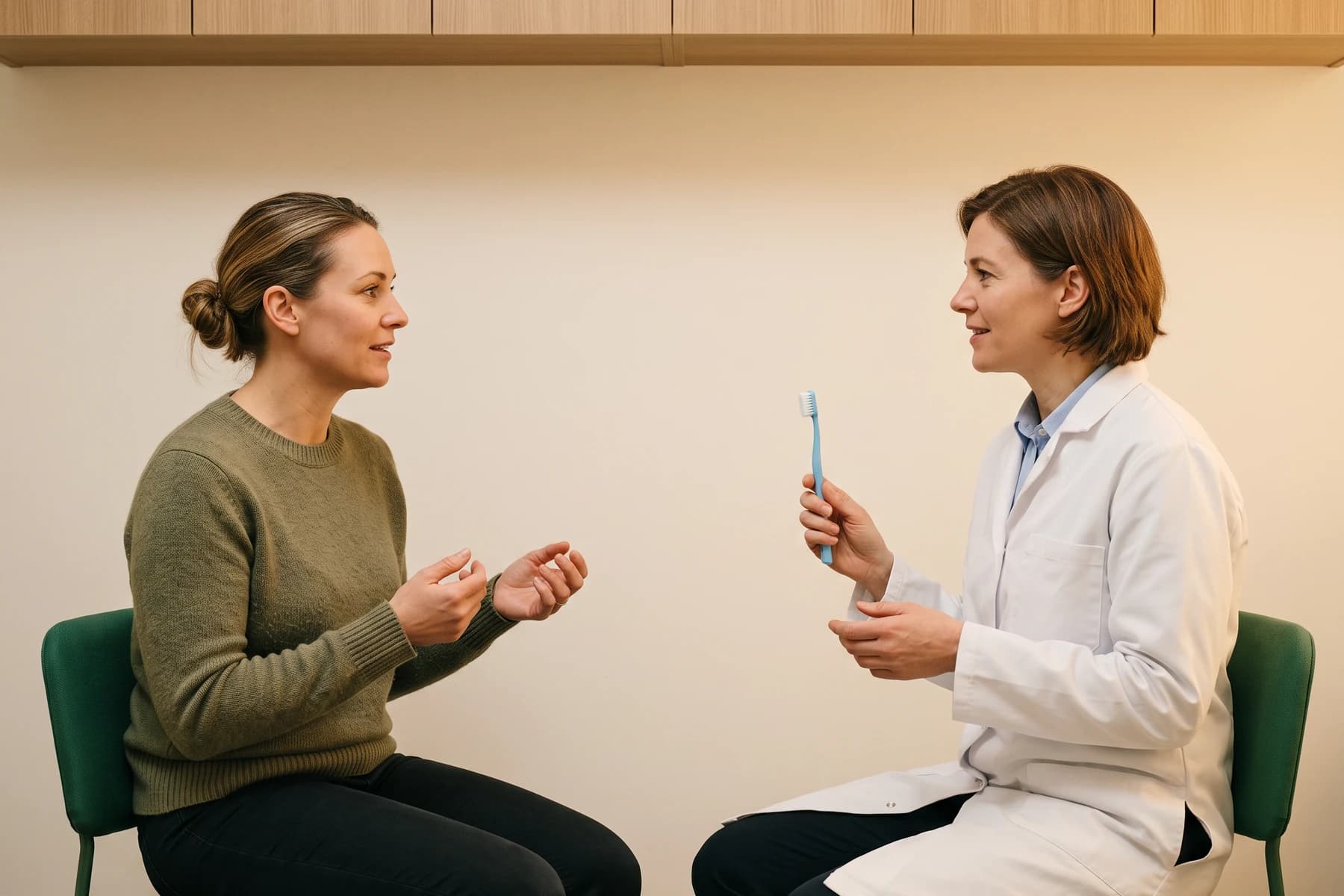
Veneer aftercare after travel combines provider-directed daily cleaning and professional reviews with a clear handoff at home. Keep treatment and material records, identify whom to contact locally about a change, and notify the treating clinic when assessment is needed. Confirm payment, repair, remake and possible return-travel responsibilities in writing; coordination alone does not establish coverage.
The American Dental Association veneer guide recommends brushing twice daily with fluoride toothpaste and cleaning between the teeth daily. It also advises avoiding fingernail biting and chewing hard objects or foods, and using a mouthguard for sports or activities that could injure the mouth.
Ask your dentist which toothbrush, interdental method, toothpaste and examination schedule fit your mouth and restorations. Natural tooth structure and gums still need care. Daily cleaning cannot guarantee that a veneer will never chip, loosen, stain, wear or need professional attention.

If you clench or grind, ask whether a dentist-prescribed protective appliance is appropriate. Report a bite that does not feel right after placement. Product choices and protective appliances should follow the individual dental assessment.
Follow the treating dentist's cleaning and eating instructions. Keep brushing and interdental cleaning part of the routine, and avoid using teeth as tools. Ask about technique or products if a new restoration changes how you clean.
Porcelain and composite both require dental care. Composite is more prone to staining and wear than porcelain and may need polishing, touch-ups or repair. Porcelain is not maintenance-free. The Emax, zirconia and composite comparison explains qualitative differences; the veneer longevity guide explains study results and their limits.
Keep the tooth-by-tooth plan, restoration and material or product details, treatment dates, relevant notes and images, laboratory information for lab-made work and clinic contact details. Ask before travel which records will be created, how you will receive them and who can share them with a dentist at home.
If a veneer chips, breaks or comes loose, or the bite does not feel right, contact a local licensed dentist promptly and notify the treating clinic. A photo or message may help communicate the concern, but it cannot establish the cause or replace an examination.
The CDC Yellow Book medical-tourism guidance advises requesting overseas records in English, sharing them with later healthcare professionals and seeking professional care without delay if a complication is suspected during travel or after returning home. This is general continuity guidance, not a veneer diagnosis or a statement about payment.
Bring the records and material details you received. Ask the assessing dentist what the findings mean and let the treating clinic know about the assessment. Routine cleaning is not a substitute for professional evaluation when something changes.
Colombia Smile Studio can coordinate aftercare with a patient's dentist at home. This is a communication capability only. Coverage, exclusions, required records, provider payment, travel responsibility, adjustments, repairs, remakes and warranty terms remain case-specific and must be confirmed in the written plan.
The dentist at home makes independent clinical decisions about any examination or care provided there. Confirm how the treating clinic will exchange relevant information, which post-treatment checks are planned before departure and who responds to later questions.
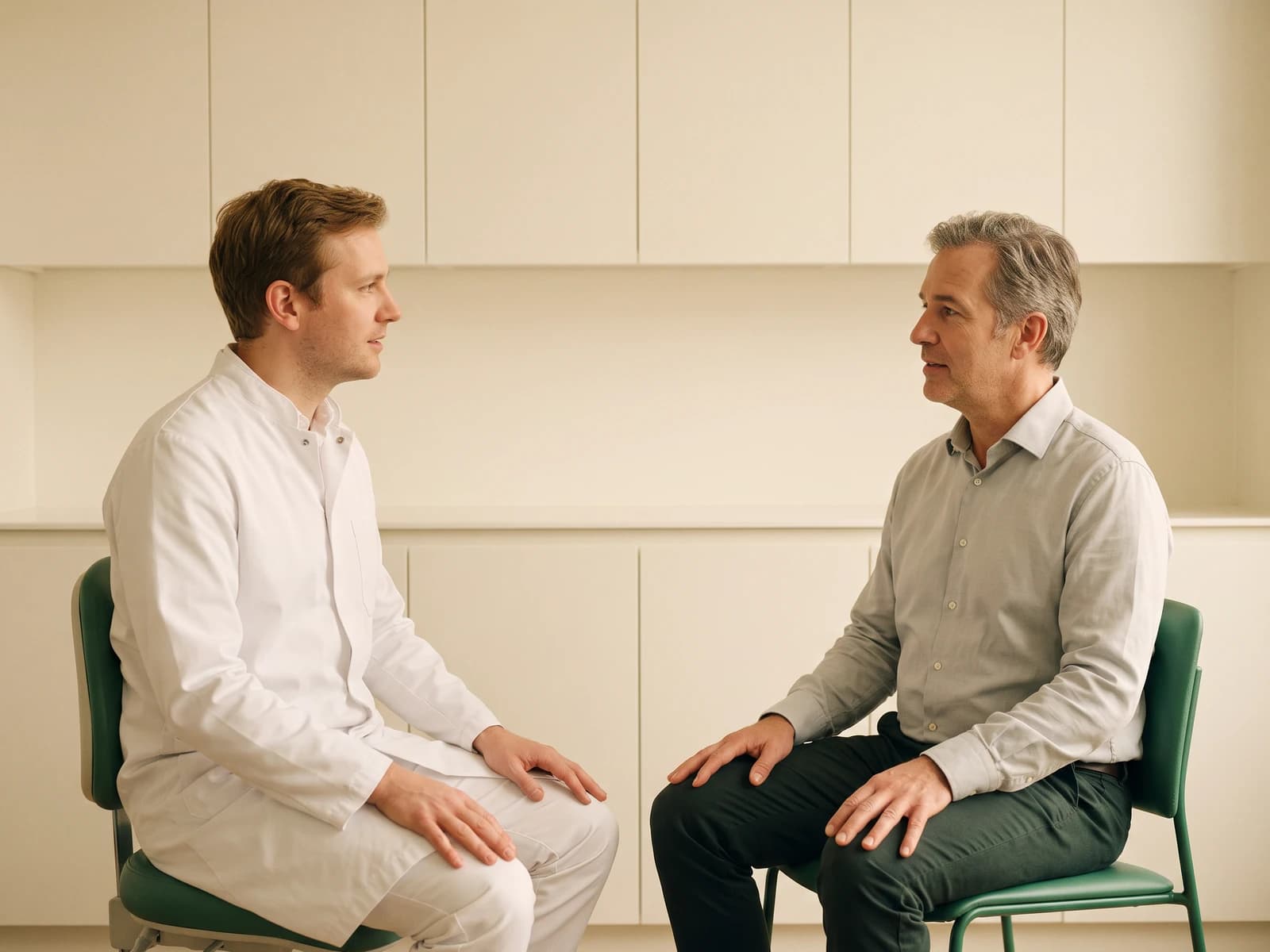
The CDC advises arranging follow-up and understanding which services are included. Use the pre-treatment verification guide for questions to settle before committing. The clinic standards framework and travel and logistics guide add context for records, contacts and the trip; neither provides a remote diagnosis.
A country name alone does not establish the quality or safety of any individual treatment plan. What decides that is the treatment itself: the restoration and material class (composite resin vs porcelain; Emax vs unbranded ceramic), the lab and where it is, the treating dentist's credentials, the aftercare and adjustment path once you are home, and the written warranty or remake policy. Weigh those against the quote, not headline price alone.
There is no supported single repair price for this page. The scope depends on what happened, the tooth and restoration involved, the material, whether adjustment or repair is possible, whether replacement is discussed, the records or images needed, the local provider and any travel. An examination is needed before that scope is known. This page does not publish a repair range or a Colombia Smile Studio repair price.
Comparing veneer prices in Colombia requires more than a country label or headline number. First identify whether the proposed restoration uses composite resin or porcelain or ceramic. For a ceramic plan, distinguish a named material such as Emax from an unbranded ceramic tier. Then identify the lab by name and location and confirm the aftercare path for polishing, adjustments, repairs, or remakes after you return home, including whether travel may be required. This is market-level comparison guidance, not a Colombia Smile Studio price quote. Use the all-in cost model to compare like with like.
The all-in veneer cost guide separates treatment, travel and possible follow-up expenses. Keep those responsibilities alongside the written aftercare terms.
This page is for education only and does not replace an individual dental examination. Read the Terms and Medical Disclaimer.
Use the Colombia Smile Studio guide to keep your records, clinic, travel and aftercare questions together before treatment.
Brush twice daily with fluoride toothpaste, clean between the teeth daily, and follow the treating dentist's instructions for products and technique. Do not assume a highly abrasive product is appropriate. Regular examinations help assess the veneers, margins, gums, bite, and surrounding teeth.
Yes. Daily cleaning between the teeth remains important with veneers. Technique and any special instruction depend on the gums, contacts, restoration margins, and other dental work. If floss repeatedly catches, shreds, causes unusual pain, or cannot pass, ask a dentist to assess the area.
People generally eat with veneers, but the treating dentist's instructions and the individual bite matter. Avoid using teeth as tools and be cautious with hard objects or foods that could damage restorations. Report pain, movement, a new bite change, or a chip promptly.
Veneers do not create one automatic explanation for bad breath. Oral hygiene, gums, decay, dry mouth, diet, smoking, restoration fit, and other dental or medical factors may contribute. Persistent odor, bleeding, pain, swelling, or a change around a veneer should be assessed by a qualified professional.
Coffee does not create one rule for every veneer material or patient. It may contribute to surface staining or color differences involving composite, surrounding teeth, or restoration margins. Follow the dentist's instructions, maintain daily cleaning, and have a professional assess a color change before using abrasive or whitening products.
Get the free Veneers Abroad Guide and see the full picture: real costs, clinic-standard questions, and what to ask before you ever book a flight.