Veneers for Crooked Teeth: Braces, Aligners and Treatment Order
Can you get veneers with crooked teeth? Veneers change visible surfaces; braces and aligners move teeth. Understand which change addresses your concern before deciding on preparation or treatment order.
Compare a change in appearance with a change in tooth position.

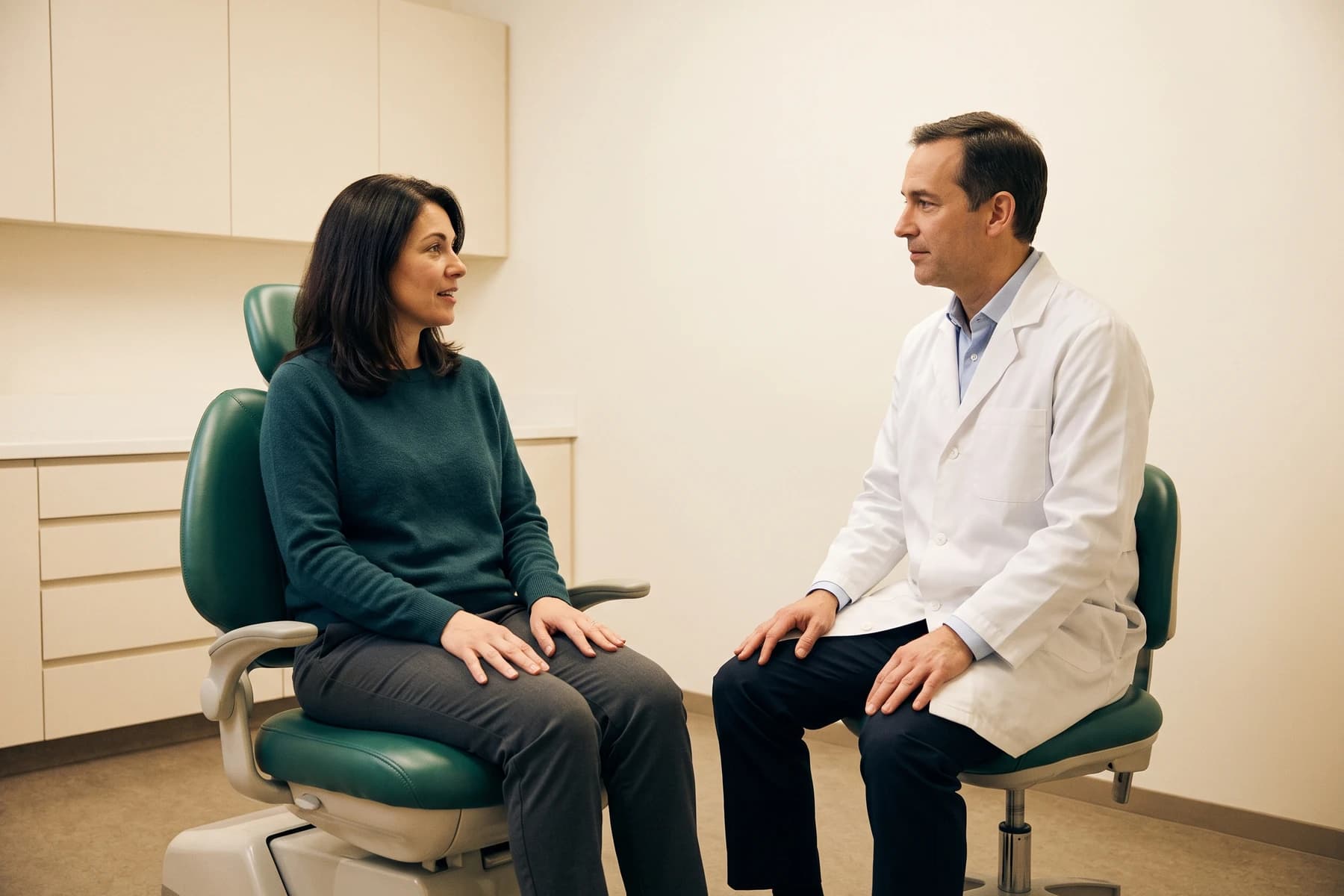
Quick Answer
Veneers can change the visible shape of selected teeth, but they do not move teeth or automatically correct a bite. Braces or aligners may be more appropriate when position is the concern. A dentist and, when needed, an orthodontic professional must assess the teeth and treatment order before irreversible preparation.
Changing appearance and moving teeth are different
A veneer changes the visible surface of an existing tooth. Orthodontic treatment moves teeth. Both may be discussed for an appearance concern, but they address it differently. Ask which change your teeth need and what each option would leave unchanged. A front-facing photograph cannot show the full bite relationship.
The assessment considers tooth position, crowding or rotation, the bite and available space. It may lead to veneers, orthodontics, another option or no treatment. Ask why the recommendation fits your teeth. The guide to veneer benefits and tradeoffs explains the broader decision.

Ask what the bite assessment changes
An overbite needs assessment of how the teeth and jaws relate. Changing the front surface with veneers does not automatically resolve that relationship. Ask a dentist or orthodontic professional which approach addresses the findings.
Ask whether the concern is tooth shape, position, the way the teeth meet or a combination. Have the clinician explain what each treatment would change. That gives you a basis for comparison beyond the appearance in photographs.
Decide the sequence before changing the surface
Braces are not required before every veneer plan. If position or bite needs attention, orthodontic treatment may be considered first. Compare the alternatives with the treating professionals before agreeing to irreversible preparation.
Some plans may involve both aligners and veneers. The treating professionals must coordinate tooth movement and retention with the bite, existing restorations and intended final shapes. Ask when the restorative design will be settled and who manages the sequence.
Existing veneers belong in an orthodontic review
Existing veneers need to be included in an orthodontic assessment. Ask about their condition and bonding, planned attachments and treatment forces. The restorative dentist and orthodontic professional should explain the risks to those restorations and agree on the care plan.
Bring records of existing dental work. Ask whether later restorative changes may be needed after tooth movement. The dental veneers overview explains surface restorations, while veneer cost factors covers budgeting. For the separate restoration comparison, read veneers and bonding compared.
This page is for education only and does not replace an individual dental examination. Read the Terms and Medical Disclaimer.
Sources: American Dental Association: veneers; American Association of Orthodontists: clear aligners.
Compare the complete plan before you decide
Use the guide to prepare questions about treatment scope and sequence before deciding how to change your smile.
Frequently asked questions
Can you get veneers with crooked teeth?
Possibly. An examination must assess tooth position and bite, including whether changing the visible surface fits the concern. Orthodontics, another treatment or no treatment may be more appropriate.
Can veneers straighten teeth or only change their appearance?
Veneers change visible tooth surfaces; they do not move teeth into new positions. Braces or aligners address movement. Ask which approach fits the concern before choosing treatment that may require irreversible preparation.
When might braces or aligners be considered before veneers?
They may be considered when tooth position, crowding or bite needs attention before the final restorative design. They are not required for every veneer plan. Ask why both treatments are proposed and in what order.
Can veneers correct a bite problem?
Veneers do not automatically correct a bite or jaw relationship. A clinician must assess how the teeth meet and explain which options address the findings. Appearance alone cannot decide that question.
How is the order of orthodontic treatment and veneers decided?
The treating professionals review planned movement and existing restorations, the bite and final tooth shapes, including retention needs. Ask who coordinates the sequence and when the restorative design is finalized.