01
The reason for the space
Ask whether the cause requires care before a cosmetic change. A newly changing gap deserves assessment rather than an assumption that it is only an appearance concern. Tell the dentist about any other symptoms.
Composite bonding for gaps adds resin to change the outline of teeth beside a space. Whether that produces a suitable result depends on the teeth and the reason for the gap.
The free guide focuses on veneers. Its clinic checklist and travel questions can also help you plan a bonding consultation.

Bonding can be used to close some spaces by adding tooth-colored resin. It changes tooth shape rather than moving the teeth. Before choosing composite bonding for gaps, ask a dentist to assess the spacing, explain the proposed proportions and discuss whether another approach better addresses the cause.
Cleveland Clinic includes closing spaces among the uses of dental bonding. A general indication is not a recommendation for your mouth. Ask the dentist to explain what created the gap and whether it has changed before discussing how to cover it.
Describe whether the space has always been there, has widened or appeared after previous care. Bring earlier photographs if available. They can help the discussion, although the dentist still needs to assess the teeth and gums.
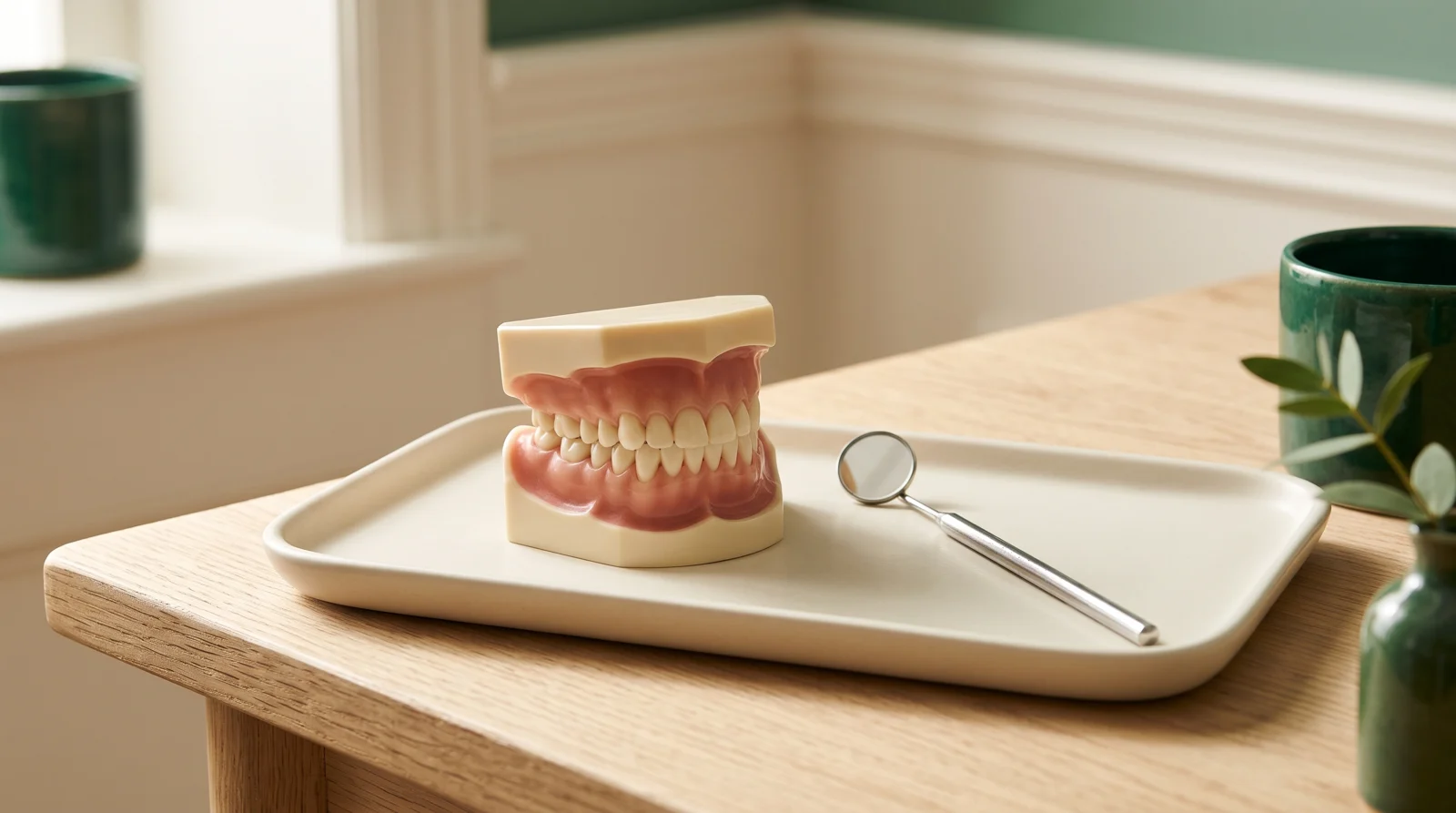
Composite bonding for gaps works by adding width or changing the outline of the teeth involved. Ask how the proposed shape would look beside neighboring teeth. Closing every visible space is not necessarily the right cosmetic goal for every person.
The written plan should identify where material would be added. Ask whether one side or both sides of the space would be treated and why. Avoid using someone else's tooth count as a template for your own care.
Ask whether the cause requires care before a cosmetic change. A newly changing gap deserves assessment rather than an assumption that it is only an appearance concern. Tell the dentist about any other symptoms.
Ask to discuss the width and contour of each treated tooth. If the proposal changes several teeth, request the reason for including each one. Any visual planning aid should be understood as an illustration rather than a guaranteed outcome.
Composite bonding for gaps changes contours; it does not reposition teeth. Ask whether orthodontic assessment or another approach is relevant to your case. Compare the reasons for each option before deciding on convenience alone.
Take your preferred change to the consultation and leave room for the examination to change the recommendation. Ask the dentist to separate what can be discussed from photographs from what still needs to be confirmed in person.
Composite bonding for gaps should come with a clear maintenance discussion. Ask how the dentist will assess access for cleaning and what to do if the area feels difficult to keep clean after treatment.
The price should follow the defined plan. Ask for a written total and inclusions rather than multiplying an advertised fee by the number of teeth you think are involved. Our cost page explains the questions to send with a quote request.
Discuss how you would arrange a review if the shape feels different from what you expected. If treatment is in Medellín, identify a contact for questions and clarify what can be assessed after you return home.
Keep the agreed plan and your treatment records. Ask the dentist to explain any later recommendation to polish, repair or replace material. A new preference about appearance and a problem with a restoration are different reasons for a visit.

Composite bonding for gaps is a case-specific choice. If you are comfortable with your natural spacing, ask whether any treatment is needed at all. Cosmetic planning should begin with your priorities and a clinical assessment.
Our aftercare guide covers cleaning and whitening questions. Images here are generated editorial illustrations, not gap-closure results or pictures of actual patients. No result can be promised from a photograph.
Sources checked October 31, 2026.
Our free Veneers Abroad Guide includes clinic questions and travel planning. Use its checklist alongside the individual treatment advice you receive.
It can be an option for some spaces. A dentist must assess the cause, tooth proportions and proposed coverage before recommending it. The size of the visible gap alone does not determine suitability.
It changes the shape of teeth rather than their position. Ask whether tooth movement would better address your concern and why either option is being recommended for your case.
Do not assume that every space is suitable or that the final plan fits one appointment. Ask for the actual sequence after examination, including any care needed first.
Tell a dentist and arrange an assessment before choosing a cosmetic fix. Explain when the change began and bring earlier photographs or records if you have them.
Get the free Veneers Abroad Guide and see the full picture: real costs, clinic-standard questions, and what to ask before you ever book a flight.