All-on-4 vs All-on-6 dental implants
When weighing All-on-4 vs All-on-6, look for a drawing of the proposed bridge in each estimate. Ask each dentist to show where the implants would sit and which teeth the bridge would replace.
Compare the questions before you choose a clinic or plan a trip.


Quick Answer
Both options replace a full arch with a fixed bridge. One design uses four implants and the other uses six. Both counts apply to a single jaw. The choice depends on where implants can be placed and how the bridge will be supported. Neither label tells you which teeth you will wear during healing or what the final bridge will cost.
All-on-4 vs All-on-6 at a glance
| Question | Four implants | Six implants |
|---|---|---|
| What supports the bridge? | Four implants in the treated jaw. | Six implants in the treated jaw. |
| What should the scan explain? | Where the four supports can be placed and how far the bridge would extend behind them. | Whether there is suitable bone at two additional sites and what those supports would contribute. |
| Are the final teeth included? | Confirm the temporary and final bridge separately in the quote. | Ask for the same breakdown so you can compare the two totals. |
| Can I leave with fixed teeth? | Ask what must be true at surgery to attach a temporary bridge. | Six planned implants alone do not establish when the bridge can be attached. |
What the upper-jaw study found
A five-year randomized study compared fixed upper bridges supported by four or six implants. The researchers measured changes in bone levels around the implants. On that measure, the four-implant group met the study's criterion for being no worse than the six-implant group. The four-implant group had more technical complications.
That distinction matters when you compare All-on-4 vs All-on-6. A bridge may need attention even when the supporting implants remain in place. Ask what kinds of repairs the dentist sees with the proposed bridge and who could assess it after you return home.
The trial concerned the upper jaw under the study's treatment conditions. If your quote covers both jaws, ask the dentist to explain the lower plan separately. Your scans and the condition of any remaining teeth belong in that conversation.
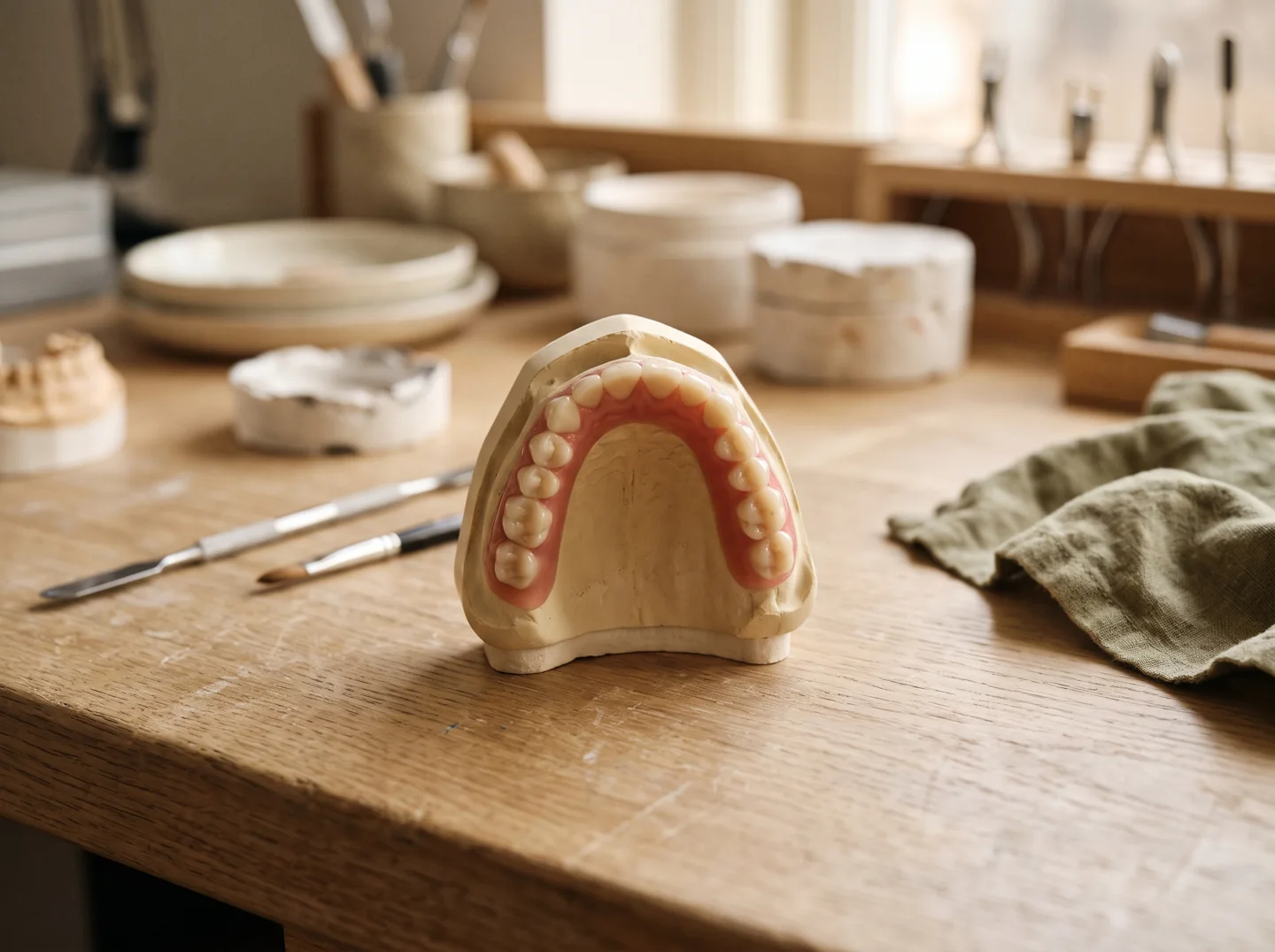
Reading All-on-4 vs All-on-6 quotes
Start with one arch. Mark the cost of extractions if proposed, surgery, the temporary teeth and the final bridge. Ask which material the final price covers. If one quote ends after the temporary teeth are fitted, the totals describe different stages of care.
Ask which visit includes the final fitting and what could change its date. If the temporary teeth cannot be attached as planned, you will want to know what you would wear instead. Request a contact for problems between visits and a copy of the implant system details for your dentist at home.
The All-on-4 planning guide explains the four-implant option in more detail. Use the full-mouth implant cost guide if the two quotes include different numbers of arches.

Questions about four and six implants
Does six mean more replacement teeth?
In an All-on-4 vs All-on-6 estimate, the number counts implants supporting the bridge. Ask the dentist to mark the last tooth on each side of the proposed bridge. That drawing tells you which teeth the plan replaces.
Is All-on-6 better if I have bone loss?
An implant needs adequate support at the planned site. A clinician can use imaging and an examination to explain whether six suitable sites are available and whether a graft or another design would change the plan.
Do both options require the same number of trips?
The implant count cannot answer that. Ask which appointments cover surgery, checks during healing and the final bridge. Have the clinic identify which dates are estimates before booking travel.